

The Best Ability Is Availability
Why immunity isn’t built when you’re sick. It’s built every day before.

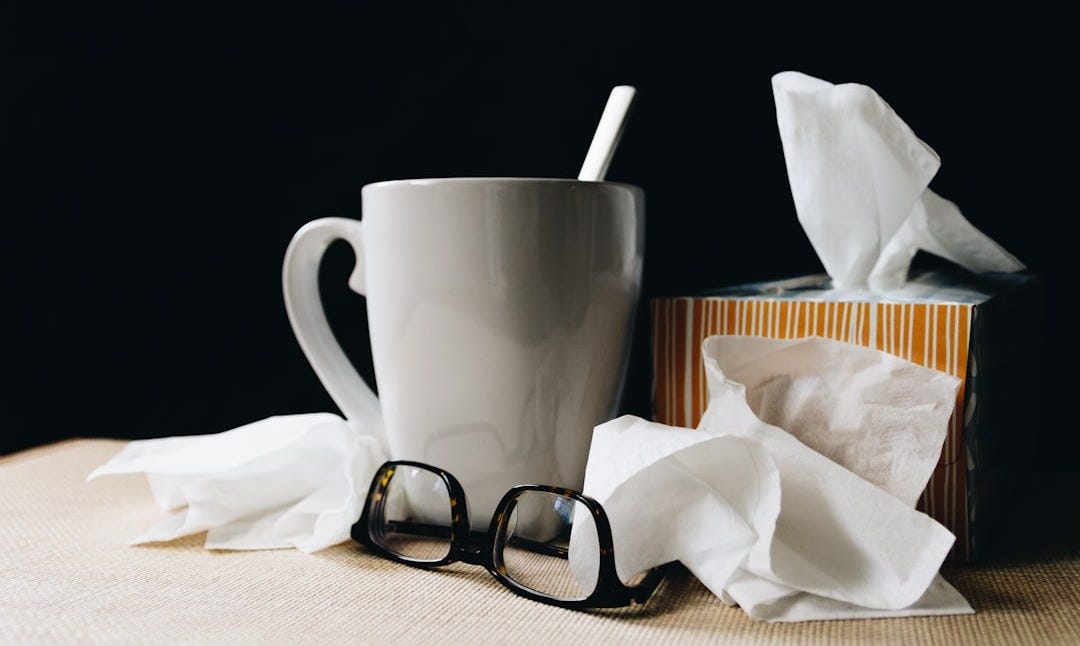
This past weekend, I was sick as a dog.
Fever. Body aches. Congestion. Head throbbing. Cold sweats.
Down for the count.
Thankfully, those days are few and far between for me. Although with a toddler running around, they seem a little less rare these days.
Still, being sick reminded me of a phrase I use often:
The best ability is availability.
When we’re sick, we’re simply not the best version of ourselves.
We’re less available for our work. Less available for our families. Less available for our friends. Less available for the things that bring us purpose, energy, and joy.
And while we can’t completely control whether we get exposed to viruses, bacteria, and other pathogens, we can influence something incredibly important:
The resilience of our immune system.
The goal isn’t to wait until you’re sick and then scramble for solutions.
The goal is to build a stronger health defense system before you need it.
Below we’ll cover how.
Start With Sleep
If there were a magic pill for immunity, sleep would probably be the closest thing.
Research shows that inadequate sleep reduces immune function, lowers antibody production, increases cortisol, and makes us more susceptible to illness.
Aim for 7-9 hours per night and try to keep a relatively consistent sleep and wake schedule.
When life gets busy, sleep is often the first thing sacrificed.
Ironically, it’s one of the last things we should compromise.
Fuel Your Defense System
Your immune system is constantly working behind the scenes, and like any high-performing system, it needs fuel.
Focus on the basics:
Plenty of colorful fruits and vegetables
Adequate protein
Healthy fats
Hydration
Key nutrients like vitamin D, vitamin C, zinc, magnesium, and omega-3s
One of the simplest goals I recommend is eating more plants.
The more variety and color you bring to your plate, the more nutrients you’re giving your body to work with.
At the same time, be mindful of excessive alcohol and added sugar, both of which can negatively impact immune function when consumed in large amounts.
Move, But Don’t Overdo It
Exercise is one of the best things you can do for your immune system.
Moderate, consistent movement improves circulation, supports immune surveillance, and helps regulate inflammation.
But more isn’t always better.
Intense training without adequate recovery can temporarily suppress immune function.
The sweet spot is consistency.
A combination of walking, Zone 2 cardio, strength training, mobility work, and daily movement goes a long way.
Movement should strengthen the system, not constantly drain it.
Hydration Matters More Than You Think
Hydration doesn’t get nearly enough attention in immunity conversations (or maybe the health conversation in general).
Even mild dehydration can impact how well your body functions and protects itself.
A simple starting point: Aim for roughly half your body weight in ounces of water per day, and increase that amount when traveling, exercising, sweating, or spending time in hot environments.
One of my favorite habits is starting the day with 16-24 oz of water, plus electrolytes and creatine.
Simple. Effective. Easy to implement.
Manage Stress Before It Manages You
Your immune system and nervous system are deeply connected.
When stress remains elevated for long periods of time, immune function tends to suffer.
This doesn’t mean eliminating stress entirely. That’s impossible (and not what we want in the long run anyway).
It means creating daily practices that help regulate it.
A simple formula:
Two minutes of breathwork
Five minutes of journaling
Ten minutes of walking
You’d be surprised how much those small actions can shift your physiology and improve your resilience over time.
What To Do When You Feel Run Down
If you feel something coming on, don’t try to “push through” at all costs.
Instead:
Prioritize sleep
Increase hydration
Focus on nutrient-dense foods
Reduce training intensity
Spend time outdoors
Give your body the resources it needs to recover
Sometimes the most productive thing you can do is rest.
Final Thoughts
Getting sick comes down to two things: Pathogen exposure and immune system resilience.
We can’t completely control exposure. But we can absolutely influence resilience.
And resilience is built through the fundamentals.
Sleep.
Nutrition.
Movement.
Hydration.
Stress management.
You might have heard me talk about these things once or twice before. It’s not very flashy. Not very trendy. Not very complicated.
Just foundational habits that are very effective when repeated consistently.
The best time to strengthen your immune system isn’t when you’re already sick.
It’s today. Because, as I mentioned before, the best ability is availability.
And your health is what makes everything else possible.
I feel like this post should also be included in every new parent handbook! :) Not much is harder than being sick with littles!