

The VITAL Framework: A Simpler Way to Think About Nutrition
A practical approach to eating well that works in the real world.

Nutrition has become unnecessarily complicated.
One expert tells you to cut carbs. Another says eat more carbs. One diet says avoid fat. Another says fat is the answer. Add social media, podcasts, influencers, and endless nutrition trends, and it’s easy to feel overwhelmed.
But what if nutrition didn’t have to be so confusing?
Over the years, I’ve found that the healthiest eaters aren’t necessarily the people following (insert said diet tribe). They’re the people who consistently practice a handful of foundational principles.
That’s why I created the VITAL Framework.
VITAL is a simple acronym that highlights five pillars of sustainable, evidence-based nutrition:
Variety
Intentional Portions & Eating
Timing
Adequate Protein & Fiber
Liquids & Limits
Not rigid rules but principles that are flexible. Principles that can travel with you through busy seasons, vacations, holidays, work trips, and everyday life.
Let’s break down each pillar.
V: Variety
One of the simplest ways to improve your nutrition is to eat a wider variety of foods.
Now I’m going to purposefully contradict myself here. On the one hand, research suggests that people who consume a greater diversity of plant foods tend to be healthier and have a more diverse gut microbiome.
On the other hand, research has also shown that repetitive eating or sticking to the same core meals leads to more weight loss and better adherence.
So what should you do?
Use both of these findings to your advantage. Try to stick to core meals as your staples and foundations, but switch up the veggies, fruits, and grains every so often.
Get creative with snacks, try a new fruit or vegetable every week, add nuts or seeds to your meals.
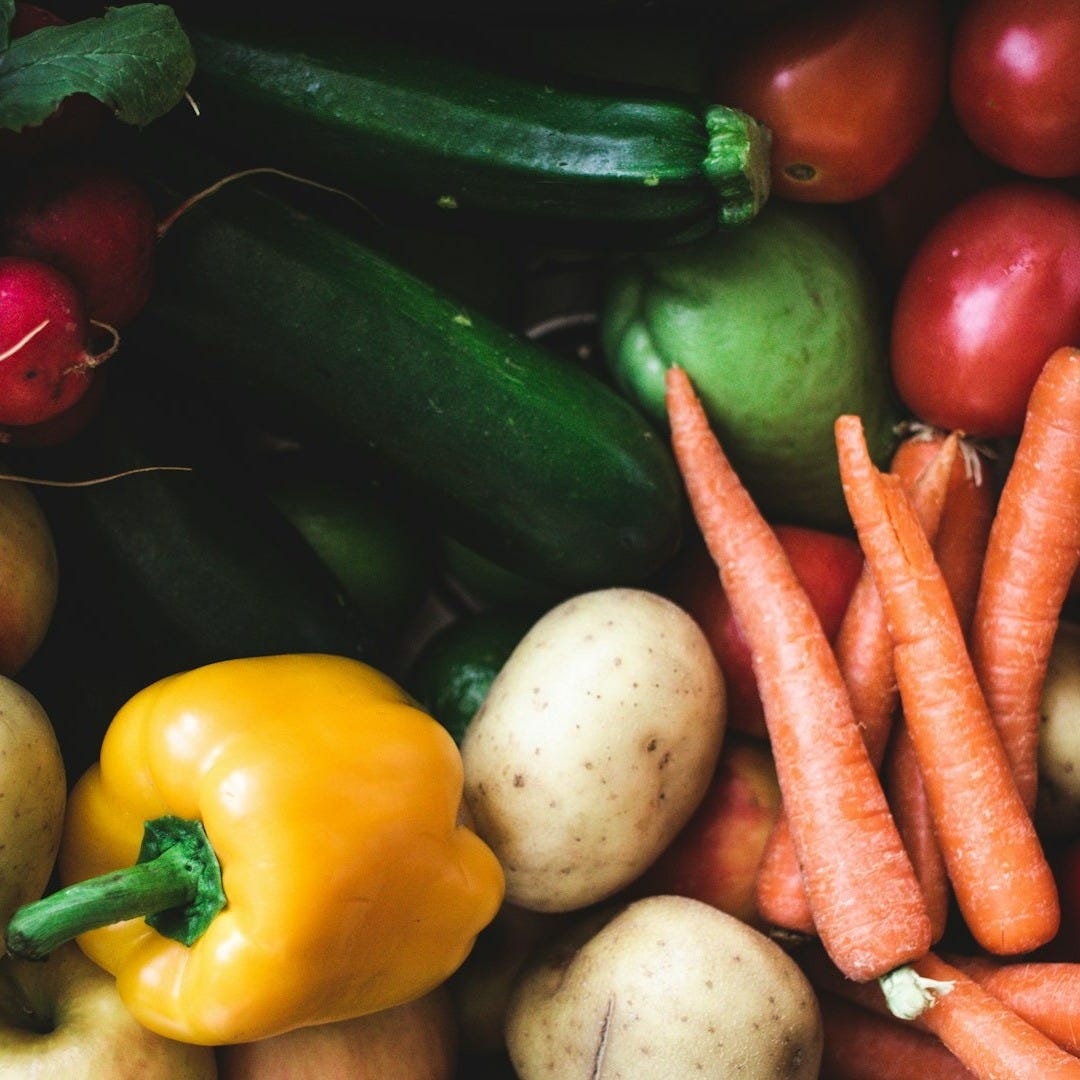
The goal here is exposure. Think colorful. Fruits. Vegetables. Whole grains. Beans. Nuts. Seeds. Herbs. Spices.
Try aiming for roughly five servings of fruits and vegetables daily (800g) and challenge yourself to add new foods to your plate throughout the week.
Variety creates nutrient security. No single food contains everything your body needs.
So eat the rainbow and nourish the system!
I: Intentional Portions & Eating
Not many of us struggle with eating too little. We struggle because we eat mindlessly.
Big plates. Large cups. Distracted eating. Massive portions.
Meals happen while scrolling. Snacks happen while driving. Portions grow without us realizing it.
Intentional eating helps bring awareness back into the process.
A few simple strategies:
Slow down and chew your food
Put your fork down between bites
Eat without screens when possible
Stop when you’re satisfied instead of stuffed
Use smaller plates and bowls
Prep meals ahead of time
One of my favorite exercises is a simple three-day food audit. Track what you eat without changing anything. Myfitnesspal, Chronometer, or whatever tool works for you.
Most people discover surprises. Often, they’re eating less protein, more added sugar, or fewer fruits and vegetables than they thought.
Awareness creates opportunity.
T: Timing
What you eat matters. But when you eat can matter too.
Our bodies operate on circadian rhythms that influence digestion, metabolism, hormones, energy levels, and sleep quality.
While nutrition timing doesn’t need to become obsessive, consistency helps.
A few guidelines:
Keep meal times relatively consistent
Eat most of your food earlier in the day or around activity when possible
Avoid large meals within two to three hours of bedtime
Minimize late-night snacking
Try to think about rhythm over rigidity.
Your body thrives on consistency.
A: Adequate Protein & Fiber
If I could prioritize only two nutrients for most people, protein and fiber would be near the top of the list.
Protein supports muscle maintenance, recovery, immune function, hormone production, and healthy aging.
Fiber supports gut health, blood sugar regulation, satiety, and cardiovascular health.
Unfortunately, most people underconsume one or both.
As a general guideline:
Aim for roughly 0.7 to 1 gram of protein per pound of body weight
Aim for approximately 30 grams (or more!) of fiber per day
Build meals around protein-rich foods and pair them with fruits, vegetables, legumes, whole grains, nuts, and seeds.
When you eat more protein, you are more satiated and satisfied. When you eat more fiber, naturally, that means you are eating more plant-based, whole foods.
Simple. Effective. Powerful.
L: Liquids & Limits
Hydration is one of the most overlooked performance tools available.
I talk about it a lot, but even mild dehydration can impact energy, cognition, mood, and physical performance.
A simple starting point: Drink approximately half your body weight in ounces of water daily.
Yes, electrolytes help, but be careful adding too much sodium into an already high-sodium diet, which is most Americans' diet.
Beyond hydration, it’s important to create awareness around the things that are easiest to overconsume.
Alcohol. Added sugars. Ultra-processed foods.
This doesn’t mean eliminating them forever. It means being intentional.
The healthiest approach to nutrition isn’t always restriction. It’s moderation. (Sometimes adding healthier items).
These foods can absolutely fit into a healthy lifestyle. The goal is to ensure they remain the exception rather than the foundation.
Putting It All Together
The VITAL Framework isn’t a diet. It’s not a meal plan. It’s not another set of rules.
It’s simply a compass. A way to simplify nutrition when life gets busy and health advice becomes overwhelming.
If you’re looking to improve your nutrition, don’t try to overhaul everything overnight.
Start with one letter.
Add more variety.
Practice more intentional eating.
Improve meal timing.
Prioritize protein and fiber.
Drink more water and be mindful of what's easiest to overconsume.
Small actions repeated consistently create meaningful change.
Nutrition is no different. Don’t overcomplicate things.
Stick to what is VITAL.
If you want to dive deeper in this topic, you can check out my podcast episode on the VITAL Nutrition Framework.